General Dentist Santa Clarita CA Advice for Routine Dental Success
A healthy mouth rarely comes down to luck. In practice, it usually reflects a string of ordinary decisions made consistently over time, keeping appointments, cleaning well enough at home, fixing small problems before they turn expensive, and paying attention when the body gives early warnings. That is the real engine behind routine dental success.
For families in Santa Clarita, that routine matters more than many people realize. The area is full of busy commuters, active kids, shift workers, retirees, and professionals whose schedules can get crowded fast. Dental care tends to slide when life gets noisy. One delayed cleaning becomes two. Mild cold sensitivity gets ignored. A chipped filling feels manageable until it suddenly is not. A good general dentist sees that pattern every week.
The phrase General dentist Santa Clarita CA might sound like a simple local search term, but behind it is a practical need. People are not just looking for someone to clean teeth. They are looking for a clinician who can spot patterns, guide habits, handle common problems efficiently, and help the entire household stay on track year after year. That kind of continuity is what keeps routine care from becoming crisis care.
What routine dental success actually looks like
Routine success is not a perfect cavity-free record forever. That standard is unrealistic for many patients, especially those with dry mouth, crowded teeth, old dental work, grinding habits, or a history of gum disease. A better definition is steadier than that.
It looks like showing up for preventive visits at intervals that match your risk level. It looks like gum tissues that are not inflamed every time they are examined. It looks like fillings that are maintained before they crack, crowns that are monitored before leakage develops, and home care that is good enough to keep plaque from becoming a constant problem. It also looks like fewer surprises, both clinical and financial.
One of the most useful things a general dentist does is establish your normal. Some people naturally build tartar quickly. Some have deep grooves in molars that trap food despite decent brushing. Others are diligent brushers but never learned how to clean between teeth effectively. These differences matter. Routine success is personal, not generic.
A patient in their twenties with no restorations and low cavity risk may do very well with standard preventive visits and basic fluoride toothpaste. A patient in their sixties with recession, several crowns, and medication-related dry mouth may need closer monitoring, prescription-strength fluoride, and more frequent hygiene care. Same city, same office category, very different maintenance plan.
Why general dentistry matters more than people think
Specialists are important, but a strong general dentist is often the central coordinator of oral health. That role gets underestimated. A general dentist is typically the one tracking changes over time, comparing radiographs year to year, examining soft tissue, reviewing bite wear, checking old restorations, and noticing when a “watch area” has shifted into something that needs treatment.
That continuity has real value. A dentist who has seen your mouth over several recall cycles can often detect subtle changes sooner than someone seeing you only in a one-off visit. Maybe a filling margin has started to stain and soften. Maybe one gum pocket keeps bleeding despite otherwise good hygiene. Maybe an old night guard no longer fits because of gradual tooth movement. These are not dramatic discoveries, but catching them early is how dentistry stays routine.
For many households, the ideal setup is having one trusted dental home where the records are current, the baseline is known, and the office understands the patient’s history, medications, anxiety level, scheduling needs, and treatment preferences. When people search for a General dentist Santa Clarita CA, that sense of long-term partnership is often what they are really after, whether they say it directly or not.
The appointment schedule should fit the patient, not the calendar cliché
The old six-month interval remains useful, but it is not sacred. It works well for many people. It is too infrequent for some and unnecessarily frequent for others. Risk should drive the schedule.
Patients with active gum disease, heavy tartar buildup, frequent decay, orthodontic appliances, or dry mouth often benefit from shorter intervals. Those with very stable mouths and excellent home care may remain healthy on a more tailored rhythm, depending on clinical judgment and insurance realities. The key is avoiding autopilot.
One common misunderstanding is assuming that if nothing hurts, nothing is wrong. Early decay usually does not hurt. Gum disease can advance quietly. Cracks can begin with only occasional discomfort while chewing something hard. By the time pain becomes obvious, the treatment is often more involved than it would have been months earlier.
There is also a psychological benefit to regularity. Patients who stay connected to care tend to feel less overwhelmed. They do not walk in expecting bad news every time. Their treatment needs are usually smaller, their choices are broader, and their trust in the process remains stronger.
Home care is where most of the work happens
The office can remove buildup, diagnose disease, and perform treatment, but the day-to-day result lives at home. Two minutes of brushing done carelessly is not the same as two minutes done thoroughly. Flossing a few times right before an appointment is not the same as regular interdental cleaning that controls inflammation over months.
Technique matters more than people expect. Many adults brush too hard, miss the gumline, or rush through the lingual surfaces of lower front teeth, where buildup often collects. Others floss by snapping the floss straight down and pulling it right back out, never hugging the tooth surface where plaque actually sits. These mistakes are common, and they are fixable.
A general dentist or hygienist who takes a few minutes to coach technique often changes outcomes more than patients expect. I have seen people reduce bleeding dramatically in two weeks just by changing how they clean between teeth and switching to a softer brush with a gentler angle. That is not glamorous advice, but it works.
Here are the habits that make the biggest difference for most adults:
- Brush twice daily with fluoride toothpaste, paying real attention to the gumline and back molars.
- Clean between teeth once a day with floss, picks, or interdental brushes chosen for your spacing and dexterity.
- Replace worn brushes or brush heads before the bristles splay outward and lose control.
- Limit repeated sugar exposure across the day, especially sipping sweet or acidic drinks slowly.
- Use any dentist-recommended fluoride or dry mouth product consistently enough to matter.
That last point deserves emphasis. Consistency beats intensity. A patient who uses a helpful product four or five nights a week for months usually does better than someone who buys three products, uses them enthusiastically for six days, and forgets them after that.
Diet, dryness, and the quiet factors behind decay
When patients think about cavities, they often focus only on candy. Sugar matters, but frequency matters at least as much as amount. Teeth handle occasional exposure better than constant exposure. A soda with lunch is one thing. Sipping the same soda over three hours while driving, working, or studying is another. The mouth stays acidic longer, and enamel gets fewer chances to recover.
Sports drinks, flavored coffees, sweetened sparkling beverages, dried fruit, crackers, and grazing habits can all contribute, even in patients who do not think of themselves as eating much sugar. Acid adds another layer. Citrus water, energy drinks, kombucha, and frequent snacking can create an environment where enamel softens and wear accelerates.
Dry mouth is one of the biggest overlooked drivers of decay in adults. Saliva buffers acid, helps cleanse the mouth, and supports remineralization. When medications reduce saliva, decay can appear in places that were never a problem before, especially around the gumline and edges of old dental work. Antidepressants, antihistamines, blood pressure medications, and many other common prescriptions can contribute. Mouth breathing and certain medical conditions can make things worse.
This is where individualized guidance from a General dentist Santa Clarita CA becomes especially useful. A patient with dry mouth may need stronger fluoride support, more water intake, xylitol products, shorter intervals between visits, and a sharper eye on root surfaces. The standard advice is not enough when the mouth’s protective chemistry has changed.
Gum health often tells the truth before teeth do
Many patients judge oral health by whether they have cavities. Dentists look at the gums just as closely, often more closely in adults. Bleeding when brushing or flossing is not normal just because it is common. Puffiness, tenderness, persistent bad breath, and recession are signs worth taking seriously.
Gum disease https://donovancssn932.zenbloomer.com/posts/general-dentist-santa-clarita-ca-advice-for-choosing-preventive-care has a wide range. Mild gingivitis can often improve with better cleaning and professional care. Established periodontitis is more complex. Bone support can be lost gradually, and because the process is often painless, people can underestimate it for years. That is why charting and radiographs matter. They show what a mirror cannot.
Success with gum care often depends on practical honesty. If standard floss is frustrating, another tool may be better. If a lower retainer traps plaque, the routine needs to account for it. If arthritis makes fine hand movements difficult, powered brushes or modified handles may be the difference between good intentions and real plaque control.
Patients sometimes feel embarrassed when they hear that their gums are inflamed, but shame is not useful in a dental chair. Patterns are. A good general dentist identifies the cause, coaches the solution, and tracks whether it works. That approach is far more productive than a generic lecture.
Small restorations stay small when they are not ignored
One of the quiet victories of routine care is preserving treatment at the simplest level possible. A tiny area of recurrent decay around a filling may be repaired before it grows under the cusp. A worn night guard may be replaced before the grinding damages a bonded edge. A minor crack line may be monitored closely and protected before it becomes a split tooth.
This is the practical side of prevention that patients often appreciate most once they have experienced the alternative. The difference between a conservative filling and a root canal with a crown is not only money. It is time, numbness, recovery, and the simple stress of needing bigger treatment.
Old dental work deserves respect. Fillings, crowns, and bonding are durable, but they do not last forever. Materials age. Margins wear. Teeth flex under load. A restoration that looked excellent ten years ago may need attention now, not because anyone did something wrong, but because the mouth is an active environment.
Routine exams help separate what can be watched from what should be treated. That judgment matters. Overtreatment is not good dentistry, but endless postponement is not wise either. There is a window where intervention is timely and conservative. Experienced general dentists spend much of their careers learning how to recognize that window accurately.
Children, teens, and the family routine
Families do best when dental care becomes ordinary early. Children who grow up with routine exams and calm, predictable visits tend to carry less anxiety into adulthood. They also build better expectations about maintenance. The appointment is not a punishment after too much candy. It is simply part of health care.
For school-age children, a few issues come up repeatedly. Deep grooves in molars can hold plaque even when brushing seems adequate. Snack frequency rises with activities and packed schedules. Sports can increase the need for custom mouthguards. Orthodontic appliances create more surfaces where plaque sticks. None of these are unusual, but all of them require adjustment.
Teens are a special category. They may understand the instructions perfectly and ignore them anyway. White spot lesions around brackets, inconsistent retainer cleaning, and sports drink habits are common examples. The most effective approach is usually specific and direct. Show them what is happening, explain what can still be reversed, and give them a short plan they can actually follow.
Parents often ask whether they should bring all family members to one office. There is no universal answer, but convenience does help consistency. When one dental home can serve several age groups well, scheduling becomes easier and records stay centralized. For busy households in Santa Clarita, that alone can make the difference between staying current and falling behind.
Dental anxiety is common, even in adults who seem fine
Many anxious patients do not look anxious. They joke, apologize for being nervous, or insist they are “okay with dentists” while gripping the chair arms. Anxiety also shows up indirectly through delayed appointments, repeated cancellations, or waiting until pain forces action.
Routine care can soften that cycle because smaller visits are usually easier visits. A short exam, gentle cleaning, and straightforward filling are often far less stressful than an emergency extraction after a sleepless night. Familiarity helps too. Knowing the team, the room setup, and the pace of the appointment lowers uncertainty, and uncertainty is a big driver of fear.
Patients who feel embarrassed about anxiety usually benefit from being candid anyway. A good general dentist can adapt. That may mean explaining each step, minimizing sensory overload, using topical anesthetic carefully, scheduling at quieter times, or planning treatment in stages rather than packing too much into one visit.
Success here is not about becoming fearless. It is about making dental care manageable enough that avoidance stops controlling the outcome.
What to look for when choosing a dentist in Santa Clarita
Not every practice is the right fit for every patient. Location matters, but it should not be the only factor. Convenience gets people in the door. Clinical judgment and communication keep them there.
When evaluating a General dentist Santa Clarita CA, pay attention to a few signs:
- The office explains findings clearly, without pressure or vague language.
- Preventive care gets as much attention as procedures.
- Treatment recommendations include context, timing, and alternatives when appropriate.
- The team respects your medical history, medications, and concerns instead of rushing past them.
- Follow-up feels organized, especially for unfinished treatment or watch areas.
Those points sound simple, but in real life they reveal a lot. Good dentistry is not only about technical skill. It is also about restraint, documentation, consistency, and the ability to teach patients what matters without talking down to them.
A rushed office can still be friendly. A modern office can still overdiagnose. A low-price offer can still become expensive if the plan is not thoughtful. Patients should trust their instincts when communication feels off. The right long-term relationship in dentistry tends to feel steady rather than flashy.
The role of technology, and where judgment still wins
Digital radiographs, intraoral cameras, 3D imaging in certain cases, and improved restorative materials have all made general dentistry more precise. These tools help dentists detect changes earlier, show patients what is happening, and plan treatment more accurately. They are valuable.
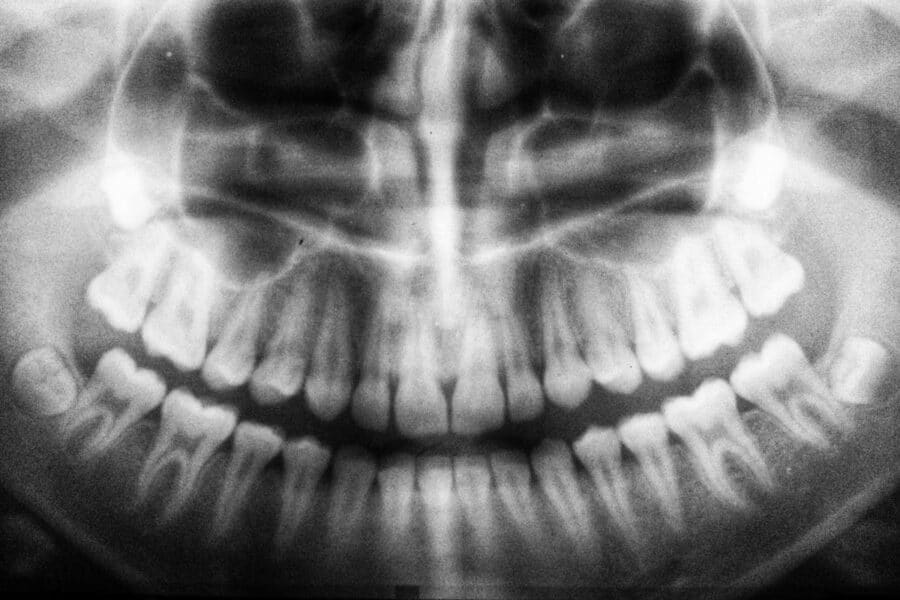
Still, technology does not replace clinical judgment. A photograph can reveal a cracked margin, but experience helps determine whether it needs immediate replacement or monitoring. A radiograph can suggest early decay, but the dentist still has to interpret the image in context, compare it with the clinical exam, and avoid overtreating shadows that are not truly active disease.
Patients sometimes assume newer always means better. Often it does help, but the better question is whether the office uses technology thoughtfully. The goal is not to collect gadgets. The goal is to improve diagnosis, comfort, and long-term outcomes.
Routine care saves more than money
People often talk about prevention in financial terms, and that is fair. A cleaning and exam cost less than a crown. A small filling costs less than major reconstructive work. But the bigger savings are often less visible.
Routine care saves time off work. It saves missed school mornings, urgent pharmacy runs, disrupted sleep, and the low-grade stress that comes from wondering whether that sensitive tooth is about to become a serious problem. It protects confidence too. Breath, appearance, comfort while eating, and ease in conversation all affect daily life more than many patients realize until something goes wrong.
There is also a cumulative effect. When a person stays in regular care for years, records become more meaningful, baseline images more useful, and decisions more precise. Dentistry becomes less reactive and more predictable. That is a major advantage.
A trusted General dentist Santa Clarita CA is not just there for the day something hurts. The better role is ongoing, helping you keep ordinary maintenance ordinary, so your teeth and gums stay functional, comfortable, and far less likely to demand urgent attention.
Routine dental success is rarely dramatic. That is exactly the point. It is clean margins, calm gums, repaired chips before they split, and appointments kept before emergencies develop. It is a system that works quietly in the background of a busy life. When done well, it hardly feels like a system at all. It just feels like one less thing going wrong.
Smyle Dental Newhall
Address: 23754 Newhall Ave, Santa Clarita, CA 91321
Phone number: +16612559200
FAQ About General dentist Santa Clarita CA
What does it mean by general dentist?
A general dentist is your primary dental care provider. They focus on the overall prevention, diagnosis, and treatment of your daily oral health needs. Think of them as your primary care doctor, but for your teeth and gums.
What is the difference between a dentist and a general dentist?
A dentist is a broad professional title for any licensed oral healthcare provider, while a general dentist is a specific type of primary care dentist who focuses on routine, preventive, and everyday treatments.
What is the difference between a dentistry practitioner and a dentist?
A dentist is a licensed doctoral-level healthcare professional, whereas a dental practitioner is a broader umbrella term that can include dentists as well as other trained oral health professionals.