Emergency Dentist Bakersfield CA: Your Local Resource for Urgent Dental Care
A true dental emergency rarely arrives at a convenient hour. It shows up during dinner, in the middle of a workday, after a child’s weekend game, or just as a long-planned trip is about to begin. One minute, everything is fine. The next, you are holding your jaw, rinsing blood from the sink, or trying to figure out whether a cracked molar can wait until Monday.
That uncertainty is often the hardest part. Pain changes judgment. Swelling creates urgency. A loose crown may feel minor until it starts cutting your tongue or exposing a sensitive tooth underneath. If you are searching for an Emergency Dentist Bakersfield CA, what you need most is not vague reassurance. You need a practical way to decide what is urgent, what can be managed at home for a few hours, and when immediate care is the safest move.
Bakersfield families deal with the same dental emergencies seen everywhere else, but local routines shape how those emergencies happen. School sports, physically demanding jobs, dry conditions that can make dehydration and mouth dryness worse, and busy schedules that encourage people to postpone routine care all play a role. In practice, urgent dental visits here often involve broken teeth, infections that were ignored too long, trauma from falls or recreation, and restorations that fail at exactly the wrong time.
Knowing how emergency dental care works can save a tooth, reduce pain faster, and keep a small problem from turning into a more expensive one.
What counts as a dental emergency
Not every dental problem is an emergency, but many deserve prompt attention even if they are not life-threatening. The difference usually comes down to three questions. Is there uncontrolled bleeding? Is there swelling, fever, or signs of infection? Is the tooth, nerve, or surrounding tissue at risk if care is delayed?
A toothache, for example, exists on a spectrum. Mild cold sensitivity that passes quickly is frustrating, but it usually does not require same-hour treatment. A deep, throbbing pain that wakes you from sleep, radiates into the ear, or worsens when you bite down is different. That kind of pain often points to a cracked tooth, a failing filling, an inflamed nerve, or an abscess. Those issues rarely improve on their own.
Trauma also changes the equation. A chipped front tooth without pain may be urgent mainly because of appearance and the risk of rough edges. A tooth that is loose, displaced, or knocked out is a time-sensitive emergency. Dentists can sometimes stabilize and save a traumatized tooth, but the window for the best outcome narrows quickly.
Infections deserve especially careful judgment. A localized gum boil or swelling near one tooth can seem manageable in the morning and become much more serious by evening. When swelling begins to spread into the face, under the jaw, or toward the eye, it stops being just a dental inconvenience. At that point, airway and systemic health become real concerns.
The situations that should move to the top of your priority list
Some symptoms justify immediate contact with an emergency dentist, and a few justify urgent medical evaluation even before a dentist is available. If you are not sure, it helps to think in terms of consequences. The longer you wait, is the risk mostly discomfort, or are you risking infection spread, permanent tooth damage, or difficulty breathing?
Here are the situations that should be treated as high priority:
- Severe tooth pain that is constant, worsening, or paired with swelling.
- A knocked-out, loose, or displaced adult tooth after trauma.
- Facial swelling, gum swelling with pus, bad taste, or fever suggesting infection.
- Bleeding that does not stop with firm pressure after a reasonable interval.
- A broken tooth with exposed inner structure, sharp edges, or pain on air or touch.
There is an important distinction here between urgent dental care and emergency room care. Most ERs are not equipped to perform definitive dental treatment such as root canals, crown repairs, or extractions for routine cases. They can help with pain control, infection management, and evaluation of serious complications. If you have trouble swallowing, trouble breathing, rapidly spreading swelling, high fever, or significant facial trauma, the emergency room is appropriate. If the issue is isolated to a tooth, filling, crown, or localized oral pain, an emergency dentist is usually the better first call.
What an emergency dentist actually does
People often picture emergency dental care as a single type of visit, but it is really a category of appointment focused on stabilizing a problem quickly. In Bakersfield, an emergency dental visit may involve diagnosis, pain relief, infection control, temporary repair, or complete treatment if the situation and schedule allow.
The first priority is usually triage. The office staff may ask when the pain started, whether swelling is present, whether trauma occurred, and whether you are having fever or drainage. Those questions are not just administrative. They help the clinical team determine how urgently you should be seen and whether you need a dentist or a physician first.
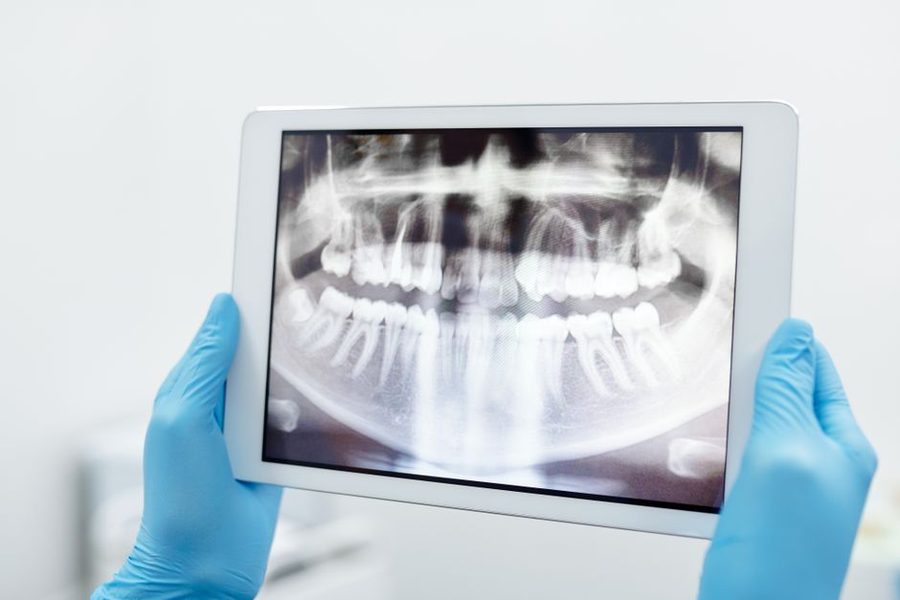
Once you are in the chair, the exam tends to be targeted. Instead of a full routine cleaning visit, the dentist focuses on the painful area, takes any necessary X-rays, checks the bite, tests temperature response if needed, and looks for signs that a nerve, root, bone, or restoration is involved. From there, treatment may go in several directions.
A painful infected tooth may need drainage, antibiotics in selected cases, and either root canal therapy or extraction. A fractured tooth may be smoothed, bonded, built up temporarily, or prepared for a crown depending on how deep the break goes. A lost filling or crown might be re-cemented if the tooth underneath is sound. A bitten lip, tongue, or cheek may simply need evaluation, cleaning advice, and monitoring, or it may require suturing depending on the severity.
The best emergency dentists are not just fast. They are decisive. They know when a temporary measure is enough to get you through the weekend and when delaying definitive treatment would be a mistake.
Why timing matters more than most people realize
The public often thinks dental problems progress slowly. Some do. Many do not. A cracked tooth can go from occasional twinges to severe nerve pain after one hard bite. A cavity that caused no symptoms in March can become an abscess by summer. A crown that came loose during lunch can expose decay or leave a weakened tooth vulnerable by dinner.
One common example is the knocked-out adult tooth. Time is everything. If the tooth is recovered quickly, handled carefully, and the patient reaches an emergency dentist promptly, reimplantation may be possible. If the tooth dries out for too long or is scrubbed aggressively, the odds drop sharply. Even when the tooth cannot ultimately be saved long term, acting fast can improve the short-term outcome and preserve bone for future treatment.
Infections are another area where delays create expensive consequences. Patients sometimes wait because the pain eases. Unfortunately, pain that suddenly decreases is not always good news. It can mean pressure has been released through drainage, while the underlying infection remains. By the time swelling appears in the face, treatment is usually more involved than it would have been a day or two earlier.
There is also the issue of complexity. A tooth that might have been restored with a filling can later require a crown. A tooth that might have been saved with a root canal can later become non-restorable. Delay is not always the deciding factor, but it changes the odds.
What to do before you reach the dental office
Good first aid buys time. It does not replace treatment, but it can reduce pain and prevent further damage.
If a tooth is knocked out, pick it up by the crown, not the root. If it is dirty, rinse it gently with clean water for a few seconds. Do not scrape it. Do not wrap it in tissue and let it dry out. If possible, place it back in the socket carefully. If that is not feasible, keep it in milk or a tooth preservation solution if one is available, and head for https://troyboih928.image-perth.org/emergency-dentist-bakersfield-ca-urgent-care-for-teens-and-adults care as quickly as possible.
For swelling, use a cold compress on the outside of the face. Avoid placing aspirin directly on the gums, which can irritate tissue and does nothing useful for the tooth itself. Over-the-counter pain medication may help if you can take it safely, but follow labeled directions and consider any medical conditions, blood thinner use, pregnancy, or kidney concerns.
With a broken tooth or lost filling, rinse gently with warm water and avoid chewing on that side. If a crown falls off and you can locate it, bring it with you. Sometimes it can be reused, sometimes it cannot, but the dentist will want to see it.
For bleeding after trauma or an extraction site concern, firm pressure matters more than frequent checking. People often remove the gauze every minute to see whether bleeding has stopped, which disrupts the clot. Steady pressure for an appropriate interval is far more effective.
How to choose the right emergency dentist in Bakersfield
When people are in pain, they often call the first office they find. That is understandable, but a few details can make the experience much better.
Availability is the obvious first factor. Some practices offer same-day emergency appointments during business hours. Others maintain limited after-hours triage. A few have broader urgent access. What matters is not a marketing phrase on a website but whether the office can actually evaluate your problem in a clinically useful time frame.
Experience with urgent care also matters. There is a difference between a practice that occasionally squeezes in emergencies and one that routinely handles infections, trauma, fractured teeth, and immediate pain management. Offices that do this often tend to ask better intake questions, leave room in the schedule for true emergencies, and move more efficiently once you arrive.
It is also smart to ask practical questions. Will they take an X-ray if needed? Can they perform an extraction or start root canal treatment if that is the issue? If the problem requires a specialist, do they coordinate referrals quickly? The goal is not simply to be seen. The goal is to leave with a real plan.
For families looking for an Emergency Dentist Bakersfield CA, location and travel time matter more than they do for routine dentistry. When someone is swollen, bleeding, or in severe pain, a long drive across town can feel endless. Accessibility, parking, and office responsiveness become part of care.
Cost, insurance, and why emergency visits vary so much
Emergency dental fees vary because emergencies vary. A focused exam and X-ray for a lost filling is one type of appointment. An exam, imaging, drainage, extraction, or same-day endodontic treatment is another. There is no honest single price that covers all possibilities.
What patients can do is ask for clarity. Most reputable offices will explain the emergency exam fee, whether imaging is extra, and what the likely treatment ranges look like once the dentist identifies the problem. If you have insurance, the office may be able to estimate your portion, but estimates are still estimates. Coverage depends on your plan, remaining benefits, deductibles, annual maximums, and whether the procedure is categorized as basic, major, or specialist care.
This is one reason routine dentistry matters financially. Many true emergencies begin as manageable problems. The painful cracked tooth may have had a large aging filling for years. The abscess may have started as decay that would have been far cheaper to treat earlier. No one can prevent every urgent dental event, especially trauma, but a surprising number of emergency visits have a long backstory.
The emotional side of dental emergencies
Pain is not just physical. Dental emergencies trigger panic, especially in people who already feel uneasy about dentistry. Parents often feel guilty when a child breaks a tooth. Adults who postponed care out of cost concerns or fear may arrive embarrassed and apologetic. A good emergency dental team knows that none of this helps the patient heal.
In practice, the most effective urgent care visits are calm and matter-of-fact. The dentist explains what is happening, what can be done today, what may need follow-up, and what the realistic outcomes are. That directness matters. Patients generally tolerate difficult news well if it is delivered clearly and paired with a plan.
There is also relief in having the right expectation. Not every emergency visit ends with the problem fully resolved that day. Sometimes the goal is to get the patient out of pain, stop active infection, protect the tooth, and schedule definitive treatment soon after. That is still successful care. Temporary does not mean inadequate when it is used strategically.
Children, teens, and sports-related dental injuries
Bakersfield parents see a fair number of urgent dental issues tied to everyday childhood. Falls from bikes and scooters, playground collisions, elbows during basketball, and roughhousing in the backyard all produce the same panicked phone call. A chipped incisor in a child looks dramatic, even when the injury is minor.
The first concern is whether the injured tooth is a baby tooth or an adult tooth. The response can differ. A knocked-out baby tooth is generally not reinserted because of the risk to the developing permanent tooth underneath. A knocked-out adult tooth is far more time-sensitive and may be managed very differently. That distinction matters in those first few minutes.
Children also present with swelling from untreated cavities, often because decay in baby teeth is underestimated. Parents sometimes assume the tooth will fall out anyway. The problem is that infection in a primary tooth can still cause significant pain, facial swelling, eating problems, and damage to the developing permanent tooth. Baby teeth are temporary, but the consequences of ignoring them are not.
Mouthguards deserve a brief mention here because they work. Not perfectly, not in every impact, but enough to matter. In contact and collision sports, they are one of the simplest ways to reduce dental trauma.
When a “small” dental issue is worth a same-day call
Some of the most costly emergencies begin as problems people try to tough out. A crown that feels loose, a filling that fell out, a sharp edge after biting ice, or a sudden bad taste near one tooth can all seem survivable. Often they are, for a day or two. The question is what is happening underneath.
A loose crown may be hiding decay or fracture. A lost filling can leave dentin exposed, which increases sensitivity and makes the tooth more vulnerable to further breakage. A bad taste with gum soreness may signal drainage from infection. None of these situations necessarily require midnight treatment, but they do justify a same-day call so the office can guide you.
One pattern comes up repeatedly in urgent care. Patients delay because pain is “not that bad yet.” Then they chew on the wrong thing, sleep on the inflamed side, or develop overnight swelling. By morning, the situation is harder to manage comfortably. Calling early usually expands options.
Preparing your household before an emergency happens
Most people do not think about dental emergencies until one occurs, but a little preparation helps. Keep the number of your regular dentist where others in the household can find it. Know which local offices in Bakersfield offer same-day or urgent appointments if your primary dentist is unavailable. Have basic supplies at home, including gauze, a cold pack, and over-the-counter pain relief that is appropriate for your family members’ ages and medical histories.
A small dental first-aid approach is enough. You do not need specialized equipment. What you need is the ability to control bleeding, protect an injured area, and get clear instructions quickly.
A sensible home emergency setup includes:
- Clean gauze pads for pressure on bleeding sites.
- A reusable cold pack or instant cold compress.
- A small container with a lid, useful if a crown or tooth fragment is recovered.
- Saline or clean water for gentle rinsing.
- Contact information for your dentist and a backup urgent dental option.
That kind of preparation seems minor until a Saturday afternoon injury turns your kitchen into a triage station.
The value of follow-through after the urgent visit
An emergency appointment solves the immediate problem, but it is often the first chapter rather than the final one. A tooth that was temporarily stabilized may need a crown. A toothache relieved with root canal access may still require completion of the root canal and final restoration. An extraction may lead to decisions about replacement, whether with a bridge, partial, or implant down the line.
This is where patients sometimes lose momentum. Once the pain is gone, motivation drops. Understandably so. But follow-through protects the money and time already invested. A temporary repair is not designed to last indefinitely. A tooth treated endodontically but left without the recommended crown may fracture later. An area that had infection still needs monitoring to confirm healing.
From a clinical standpoint, the best emergency outcomes usually belong to patients who treat the urgent visit as a bridge to comprehensive care, not a substitute for it.
Finding steady footing when things go wrong
Dental emergencies feel disruptive because they are. They interrupt work, family plans, sleep, and finances. They also create pressure to make decisions quickly. The good news is that most urgent dental problems become more manageable once they are evaluated by the right professional.
If you are searching for an Emergency Dentist Bakersfield CA, the most useful next step is usually simple. Call a local office that handles urgent cases, describe the symptoms clearly, and let the team guide you based on the level of pain, swelling, trauma, or bleeding involved. If facial swelling is spreading, breathing is affected, or the injury is severe, seek medical emergency care immediately.
Everything else starts with not waiting longer than necessary. In emergency dentistry, a few hours can make the difference between temporary relief and real resolution, between saving a tooth and losing one, between a straightforward visit and a complicated recovery. When the problem is urgent, timely care is not overreacting. It is good judgment.
Smyle Dental Bakersfield
2016 E St, Bakersfield, CA 93301, United States
+16614939040
FAQ About Emergency Dentist Bakersfield CA
What counts as a dental emergency?
Severe tooth pain, facial swelling, uncontrolled bleeding, a knocked-out or displaced tooth, and significant dental trauma may need prompt assessment. Trouble breathing or rapidly increasing swelling requires urgent medical help.
What should I do if a permanent tooth is knocked out?
Handle the tooth by the crown rather than the root, keep it moist, and contact a dentist immediately. Fast treatment can improve the chance of saving the tooth.
Can an emergency dentist treat severe tooth pain the same day?
Same-day care may be available depending on the cause and schedule. The dentist will examine the area, may take digital X-rays, and recommend treatment based on the diagnosis.
Should I go to the emergency room for dental swelling?
Seek urgent medical care for trouble breathing, difficulty swallowing, rapidly spreading facial swelling, or other severe symptoms. A dentist can assess the underlying dental cause and provide appropriate follow-up care.