Emergency Dentist Bakersfield CA for Sports-Related Dental Injuries
A hard foul under the basket, an elbow during a weekend soccer match, a line drive that took a bad hop, a helmet that shifted just enough on contact, these are ordinary moments in sports until a tooth is involved. Dental injuries have a way of changing the pace of everything. One second an athlete is focused on the next play. The next, there is blood, swelling, pain, and a parent, coach, or teammate trying to decide whether the situation can wait until morning.
That decision matters more than most people realize. Sports-related dental injuries often look less dramatic than they are. A chipped front tooth may hide a deeper crack. A tooth that feels loose may have damage to the ligament and bone around it. A tooth that has been knocked out can sometimes be saved, but the window is short, and what happens in the first 30 to 60 minutes often shapes the outcome.
For athletes and families in Kern County, finding an Emergency Dentist Bakersfield CA quickly is not just about convenience. It is about preserving tooth structure, reducing pain, lowering the risk of infection, and avoiding more expensive treatment later. In practice, the difference between urgent care and delayed care can be the difference between a simple bonding repair and years of root canal treatment, crowns, or implants.
Why sports injuries to teeth are different
Dental trauma from sports is not like routine tooth pain. Cavities and gum irritation usually build slowly. A sports injury is mechanical, sudden, and often layered. Teeth, gums, lips, the jaw, and surrounding bone can all be affected at once.
The front teeth are the most common victims, especially during basketball, baseball, softball, football, hockey, skateboarding, martial arts, and soccer. Younger athletes are particularly vulnerable because many are still developing coordination, strength, and reaction time. Teenagers and young adults also tend to underestimate injuries if the pain fades after the first few minutes. That is one of the biggest mistakes I see people make. Reduced pain does not always mean reduced damage.
A blow to the mouth can create several types of injuries at once. An athlete may have a fractured tooth, a cut lip, and a bruised periodontal ligament all from a single impact. In some cases, the tooth remains in place but changes color over the next few days, which may signal damage to the nerve inside. In others, the tooth seems intact but later becomes sensitive to cold, biting pressure, or air. These are not symptoms to brush aside.
The injuries that need same-day attention
Not every dental injury is equally urgent, but many sports injuries deserve same-day evaluation. A true emergency usually involves one or more of the following: uncontrolled bleeding, a knocked-out permanent tooth, severe pain, visible displacement, trouble closing the bite properly, signs of jaw injury, or a deep fracture exposing the inner portion of the tooth.
When a permanent tooth is knocked out, time becomes critical. The cells on the root surface begin to lose viability once they dry out. If the tooth can be placed back into the socket quickly and handled correctly, there is a real chance of saving it. If it sits dry in a napkin or pocket for an hour or two, the odds drop sharply.
A tooth pushed sideways, deeper into the gum, or partly out of the socket also deserves prompt treatment. These injuries can affect blood supply and long-term stability. A cracked tooth with sharp edges may not look serious at first, but if the crack extends toward the root, the treatment plan changes entirely. A chip can often be repaired beautifully. A vertical root fracture is far more complicated.
Jaw injuries add another layer. If an athlete cannot open comfortably, feels the teeth no longer fit together, or has numbness in the chin or lower lip after impact, that can point to something beyond a routine dental injury. Those cases may need both dental and medical evaluation.
What to do in the first few minutes
The first response at the field, gym, or rink can preserve options. Panic is common, especially when there is blood. Mouth injuries bleed more than people expect because the tissues are highly vascular. That visual intensity can make a manageable injury feel worse than it is, but it can also distract from the tooth itself, which may be sitting on the ground or inside a glove.
If there is any concern about head injury, loss of consciousness, vomiting, confusion, neck pain, or facial fracture, medical evaluation takes priority. Dental care still matters, but airway, neurological symptoms, and overall trauma come first.
For an isolated dental injury, these immediate steps are the most helpful:
- Find the tooth or broken fragment and handle it carefully, touching the crown rather than the root if possible.
- Rinse the mouth gently with water and apply clean gauze or a cloth for bleeding.
- If a permanent tooth has been knocked out, keep it moist in milk, saline, or inside the cheek if the athlete is old enough to do that safely and will not swallow it.
- Use a cold compress on the outside of the face to limit swelling.
- Call an Emergency Dentist Bakersfield CA right away and explain exactly what happened, when it happened, and whether the tooth is out, loose, or fractured.
That list sounds simple, but details matter. People often scrub a dirty tooth because they want it clean. That can damage the root surface. Others store the tooth in plain water for too long, which is better than letting it dry out but still not ideal. Some assume a baby tooth should be replanted. Usually it should not, because doing so can harm the developing permanent tooth underneath. This is where direct advice from a dentist during the phone call is valuable.
The difference between a baby tooth and a permanent tooth
Parents are often unsure whether the injured tooth is a baby tooth or a permanent tooth, especially with children around ages six to twelve. That distinction affects first aid and treatment decisions. A knocked-out permanent tooth is a true dental emergency because reimplantation may be possible. A knocked-out baby tooth is handled differently. The focus is usually on pain control, protecting the area, and making sure no other structures were damaged.
Even when the tooth is not avulsed, baby teeth matter. Trauma to a primary tooth can affect the permanent tooth that has not erupted yet. A blow to the front baby teeth in a young child may later show up as discoloration, enamel defects, or eruption changes in the adult teeth. That is one reason a quick evaluation is still worth it, even when the injury seems minor and the child calms down quickly.
What an emergency dentist looks for
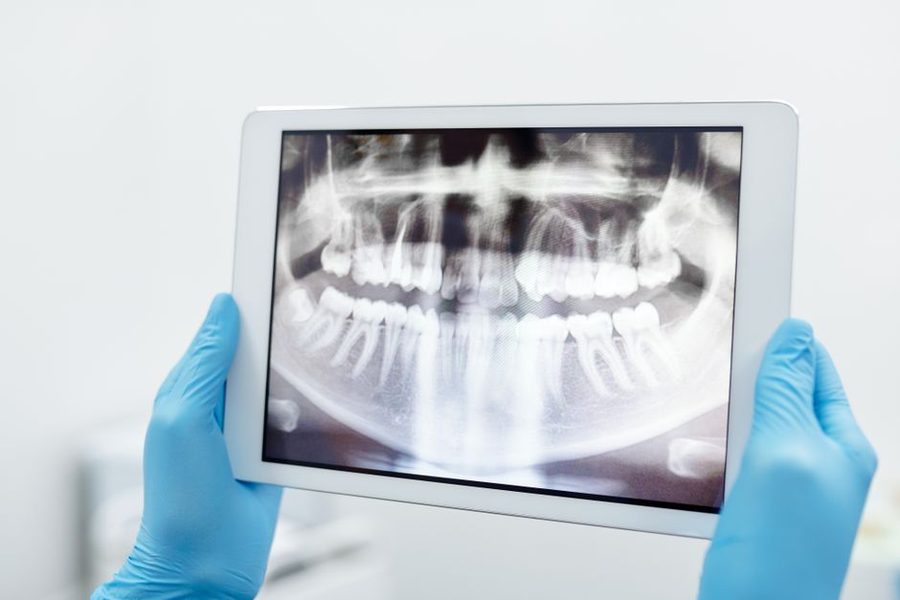
A thorough sports injury exam is more than a quick glance and a pain question. A dentist will usually assess the tooth itself, the surrounding gum tissue, the bite, mobility, nerve response, and the possibility of hidden cracks or root injuries. Dental X-rays are often needed, and sometimes more than one angle is necessary. A tooth that looks fine from the front can reveal a very different story on imaging.
The exam also includes the soft tissues. Cuts to the lip or cheek can trap tooth fragments inside. I have seen athletes arrive with a small chip missing from a front tooth, and the matching piece was embedded in the lower lip from the impact. If that is missed, it can lead to irritation and prolonged healing.
Another important part of the exam is timing. Not all trauma complications show up immediately. A tooth may test normally on the day of injury and change over the following weeks. That is why responsible emergency care often includes a short-term fix, clear instructions, and follow-up visits rather than a one-and-done approach.
Common treatments after a sports dental injury
Treatment depends on the exact injury pattern. Small enamel chips can often be polished or repaired with tooth-colored bonding that blends surprisingly well. Larger fractures may need bonding, veneers, or crowns depending on how much tooth structure remains and whether the nerve is involved.
If the nerve is exposed or later becomes inflamed beyond recovery, root canal treatment may be needed to save the tooth. Teeth that have been displaced may be repositioned and stabilized with a flexible splint for a period of time. Knocked-out teeth that are replanted usually require close monitoring and often additional treatment later, even when the immediate response is excellent.
Soft tissue lacerations may need cleaning and suturing. If a jaw fracture or complex facial injury is suspected, referral to an oral surgeon or hospital-based care may be appropriate. A good emergency dentist knows where dental treatment ends and broader trauma management begins.
One practical point that families appreciate is that cosmetic appearance and biological health are not always solved on the same day. Sometimes the priority is to stabilize the tooth, control pain, and protect it from further damage. Final cosmetic refinement may come later, once the tooth’s long-term vitality is clearer.
Pain, swelling, and what recovery really feels like
People expect pain after a sports injury, but the pattern can be misleading. Some badly injured teeth hurt immediately and intensely. Others are numb at first and become sore as inflammation builds. Biting tenderness the next morning is common. So is sensitivity to temperature. Mild swelling can peak after several hours.
Most athletes want to know when they can get back to practice. The honest answer depends on the injury and the sport. Returning too early can turn a repairable injury into a worse one. A tooth that has been splinted or a jaw that is already sore does not need another collision. Even noncontact training may be limited briefly if there is risk of further impact or bleeding.
A custom mouthguard becomes especially important after treatment. Store-bought guards can be better than nothing, but they often fit poorly, interfere with speech and breathing, and are less likely to be worn consistently. After a dental injury, fit and protection matter more than ever.
Mistakes that make sports dental injuries worse
The biggest errors usually come from good intentions mixed with bad information. A few are common enough to mention directly:
- Waiting to see if a loose or broken tooth will “settle down” on its own.
- Handling a knocked-out tooth by the root, or letting it dry out.
- Assuming that if bleeding stops, the problem is no longer urgent.
- Sending an athlete back into play after a mouth injury without an exam.
- Skipping follow-up because the tooth looks normal a few days later.
That last point deserves emphasis. Some trauma-related problems surface weeks or months after the original injury. A tooth may darken, develop an abscess, or lose vitality gradually. Follow-up visits are not busywork. They are part of protecting the result.
Bakersfield sports culture and the need for fast dental care
Bakersfield has a strong sports culture, from school athletics and travel teams to adult recreational leagues and outdoor activity year-round. That means dental emergencies do not happen only during weekday office hours. They happen on Saturday mornings at tournament fields, on summer evenings at batting cages, and during after-school practices when regular appointments are hard to find.
That is why access to an Emergency Dentist Bakersfield CA matters in practical terms. Families need to know who to call before an injury happens. Coaches should have that number accessible. Team managers often keep first aid supplies, but very few have a dental plan beyond ice and gauze. A little preparation makes a big difference when the injury is time-sensitive.
For parents of athletes with braces, the issue is even more nuanced. Brackets and wires can worsen soft tissue injuries during impact. A blow that would have caused a simple lip bruise may produce cuts when metal is involved. Orthodontic wires can also shift and irritate the mouth after trauma. Those injuries still deserve prompt dental guidance, and sometimes coordination between a general dentist, emergency dentist, and orthodontist is needed.
Prevention is less dramatic, but it works
The best sports dental emergency is the one that never happens. Mouthguards do not prevent every injury, but they reduce both frequency and severity. The difference is not subtle in real life. Athletes wearing a well-fitted guard tend to suffer fewer broken teeth, less soft tissue trauma, and fewer severe displacement injuries.
Custom mouthguards are especially worthwhile for athletes in basketball, football, baseball, softball, wrestling, hockey, lacrosse, martial arts, skate sports, and any activity where collisions or projectiles are part of the game. They also help adults who play recreational sports and often forget that their risk is not lower just because the setting is casual.
Helmets and face protection matter too, but they are not a substitute for dental protection. I have seen players with proper headgear still end up with dental fractures from awkward angles of impact. Prevention works best when equipment is layered and actually used consistently.
How to decide between emergency dental care and the ER
Families often hesitate because they are not sure where to go. If the athlete has signs of concussion, uncontrolled bleeding, possible jaw fracture, breathing difficulty, or significant facial trauma, start with emergency medical care. Those concerns go beyond the scope of a dental office.
If the injury is isolated to the teeth and gums, especially with a knocked-out, loose, displaced, or fractured tooth, an emergency dentist is usually the right first call. Dental offices are set up to diagnose tooth injuries precisely and intervene quickly. They can also tell you if the situation sounds like it needs a hospital instead.
When in doubt, describe the injury clearly over the phone. Mention the athlete’s age, whether the tooth is a permanent tooth, how long ago the injury happened, whether there is swelling, and whether the bite feels normal. That information helps the office triage https://kameronrush297.scriblorax.com/posts/how-parents-can-handle-a-child-s-dental-emergency-in-bakersfield-ca appropriately.
What parents and coaches should keep on hand
A full medical kit is ideal, but sports dental emergencies do not require a complicated setup. Clean gauze, gloves, a small container with a lid, saline if available, and instant cold packs cover most immediate needs. The more important tool is knowledge, especially knowing not to wrap a knocked-out tooth in tissue and not to delay the call.
Many teams now keep emergency contact sheets for injuries. It makes sense to add dental information to that routine. One local emergency dental contact can save precious minutes when a child is crying, a coach is managing the rest of the team, and no one wants to guess what comes next.
The real value of early treatment
The best reason to seek prompt care is not fear. It is preservation. Teeth are remarkably resilient, but they do not regenerate the way skin does. Once structure is lost or the root surface is damaged, the options narrow. Early treatment gives the dentist more to work with. It protects appearance, function, and comfort at the same time.
That matters for obvious reasons, like smiling and eating, but also for less obvious ones. Front tooth injuries can affect speech. Bite changes can lead to headaches or uneven wear. Untreated trauma can simmer into infection and swelling at the worst possible time, often just when an athlete is returning to school, work, or competition.
For Bakersfield athletes, parents, and coaches, the practical takeaway is simple. Do not treat a sports dental injury as a wait-and-see problem. If a tooth is broken, loose, painful, displaced, or knocked out, call an Emergency Dentist Bakersfield CA as quickly as possible. Fast action does not guarantee a perfect outcome, but it consistently improves the odds. And with dental trauma, better odds are often everything.
Smyle Dental Bakersfield
2016 E St, Bakersfield, CA 93301, United States
+16614939040
FAQ About Emergency Dentist Bakersfield CA
What counts as a dental emergency?
Severe tooth pain, facial swelling, uncontrolled bleeding, a knocked-out or displaced tooth, and significant dental trauma may need prompt assessment. Trouble breathing or rapidly increasing swelling requires urgent medical help.
What should I do if a permanent tooth is knocked out?
Handle the tooth by the crown rather than the root, keep it moist, and contact a dentist immediately. Fast treatment can improve the chance of saving the tooth.
Can an emergency dentist treat severe tooth pain the same day?
Same-day care may be available depending on the cause and schedule. The dentist will examine the area, may take digital X-rays, and recommend treatment based on the diagnosis.
Should I go to the emergency room for dental swelling?
Seek urgent medical care for trouble breathing, difficulty swallowing, rapidly spreading facial swelling, or other severe symptoms. A dentist can assess the underlying dental cause and provide appropriate follow-up care.